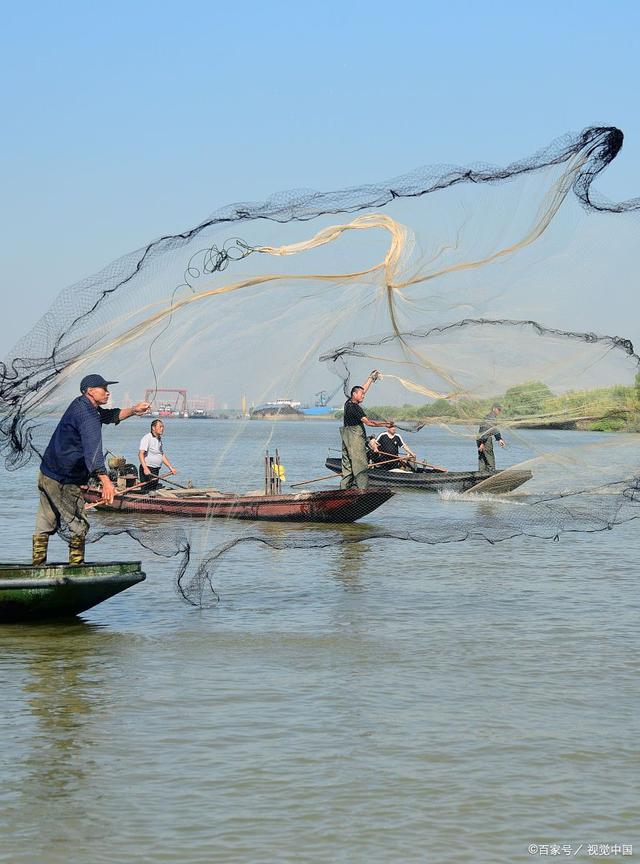
The net-casting action is both graceful and good for physical exercise, and can be performed by a single person.
We can establish fishing gear factories under democratic management, produce a wide variety of fishing equipment—especially patented technologies—distribute them to everyone for free, and, based on patent rights, external sales will निश्चितly be profitable.
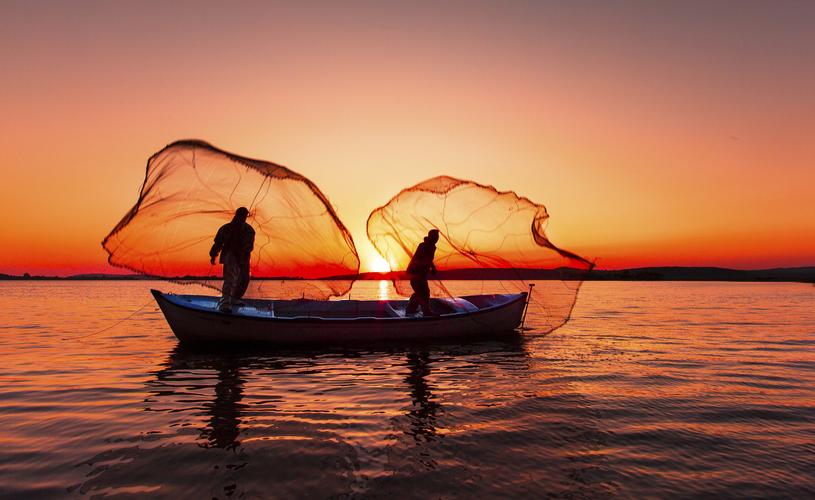

Fishing by the lakeside while enjoying the morning and evening glow over the water serves two purposes at once and brings endless pleasure—at those times, fish are often more abundant as well.
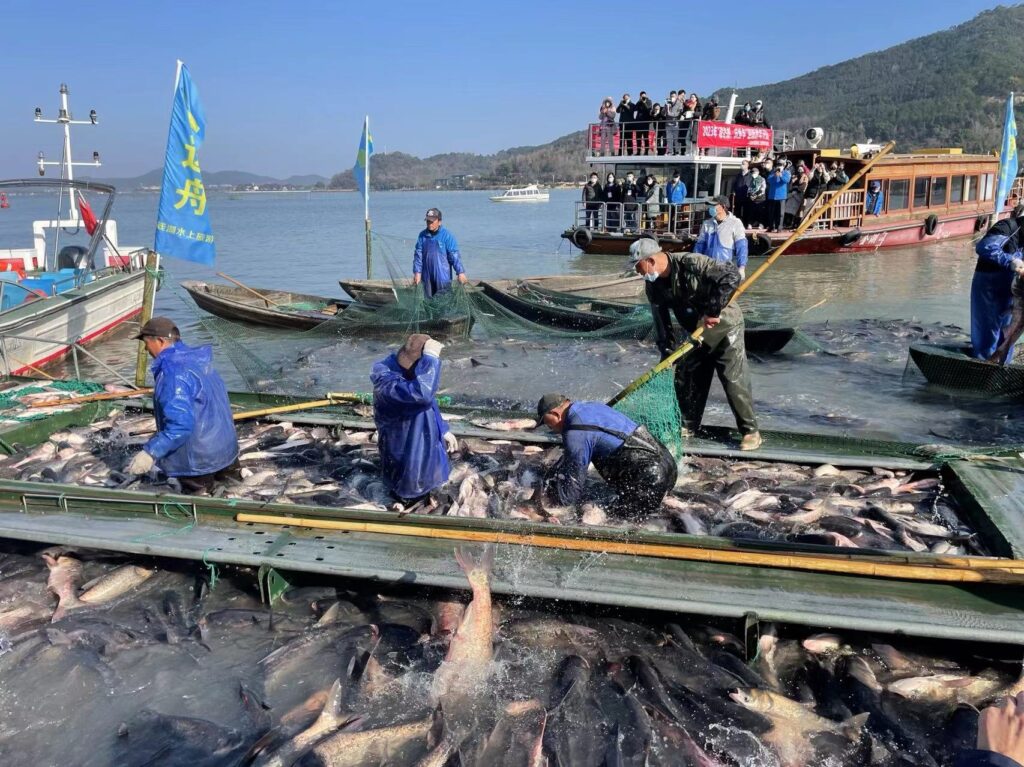
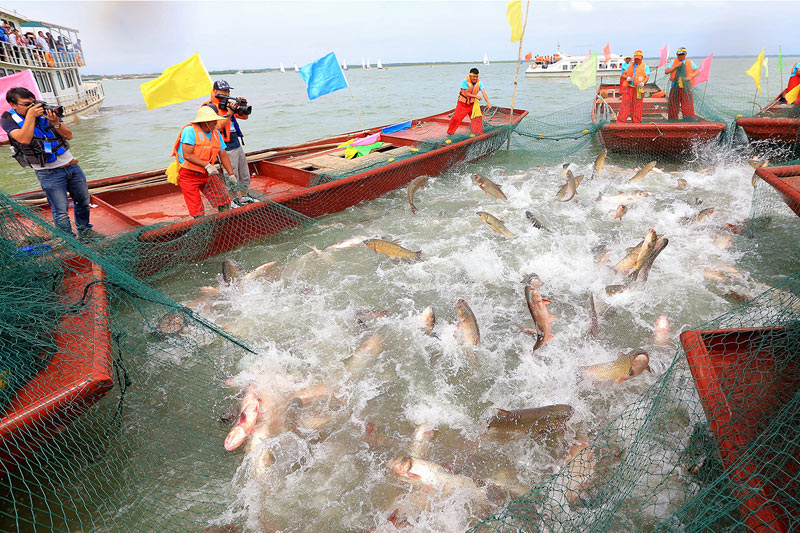
Fishing and the development of distinctive water-based tourism can go hand in hand with supplementing each other. When the lake itself feels monotonous, fishing becomes the focus—and when fish leap and dart about, that is the most dynamic and beautiful scenery. Visitors can also directly experience fishing and return with a full catch—either selling it on the spot or sharing the proceeds.
As long as there is water, there should be fish. Moreover, according to biology, if fish are consumed scientifically, their numbers will actually increase: each spawning produces at least 500 eggs, and up to hundreds of thousands! Even with a low survival rate, fish populations still grow geometrically every day. The process of big fish eating small fish is a natural and beneficial cycle—it is limited in quantity, and the more they eat, the faster they grow and the more they reproduce.
By contrast, if fishing is prohibited and only angling is allowed—an extremely inefficient and time-wasting method—it can lead to large numbers of fish dying naturally. Their remains are decomposed by microorganisms and bacteria, causing nutrient overload in the water and triggering algal blooms such as cyanobacteria. These blooms then consume the oxygen in the water, leading to oxygen depletion, fish deaths or stunted growth, and ultimately a vicious cycle.
in addtion, Compared with livestock products such as chicken, pork, and beef, fish—especially wild-caught fish—are often considered to have higher-quality protein, are easier to digest and absorb, and are rich in essential nutrients such as omega-3 fatty acids. From this perspective, promoting responsible and sustainable fish consumption could provide significant nutritional benefits. with effective governance and resource management, it may be possible to ensure broader public access to fish as a food source.


