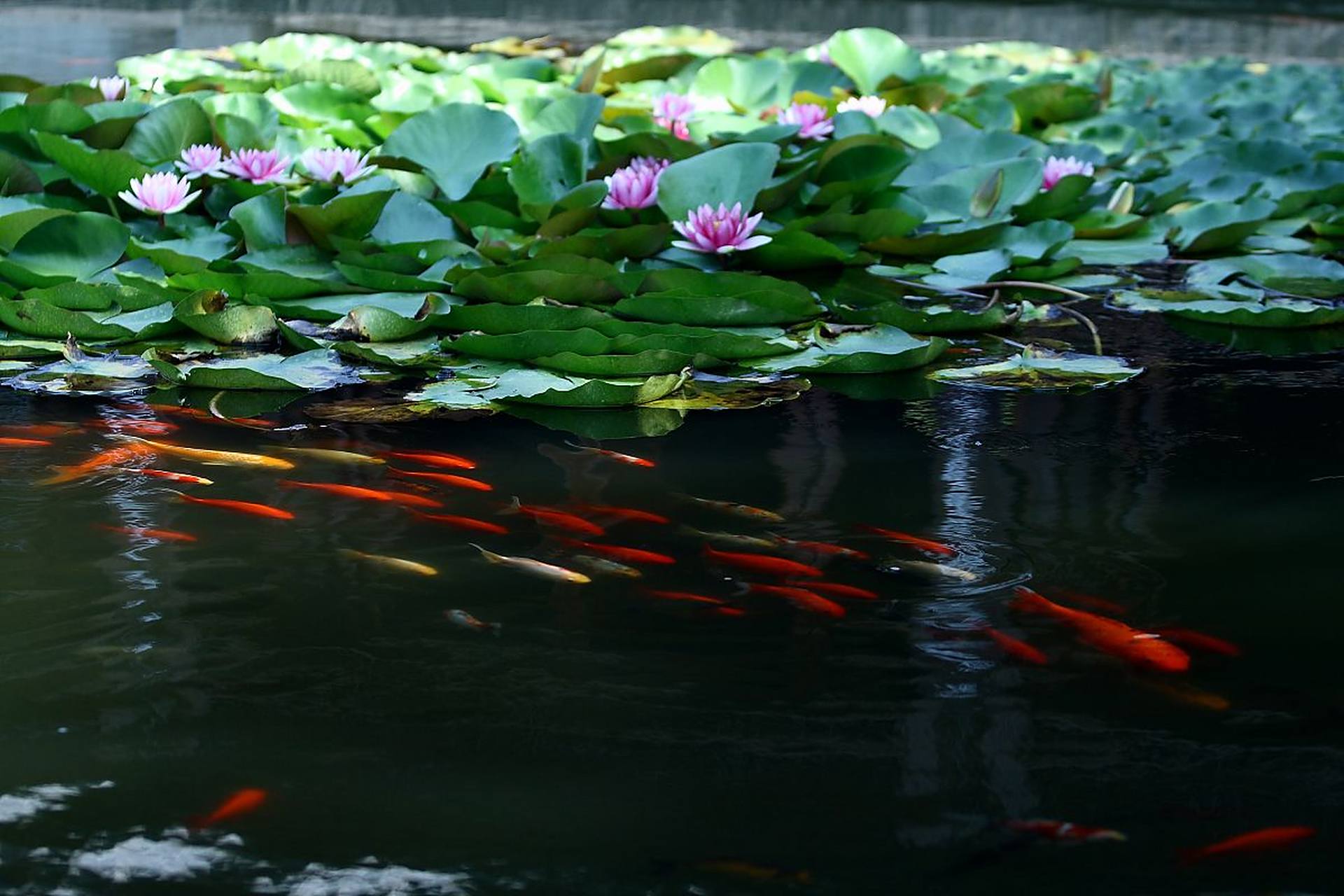
Living by the water and relying on fish is only natural. At the same time, we should develop aquaculture, leverage strengths and offset weaknesses, and enable wild fishing and fish farming to complement and reinforce each other, while also developing tourism in shallow-water areas.
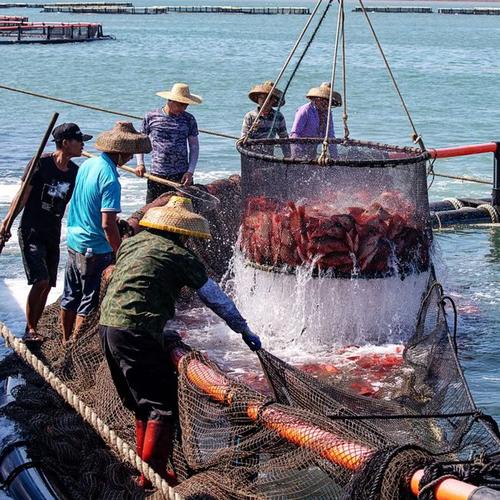
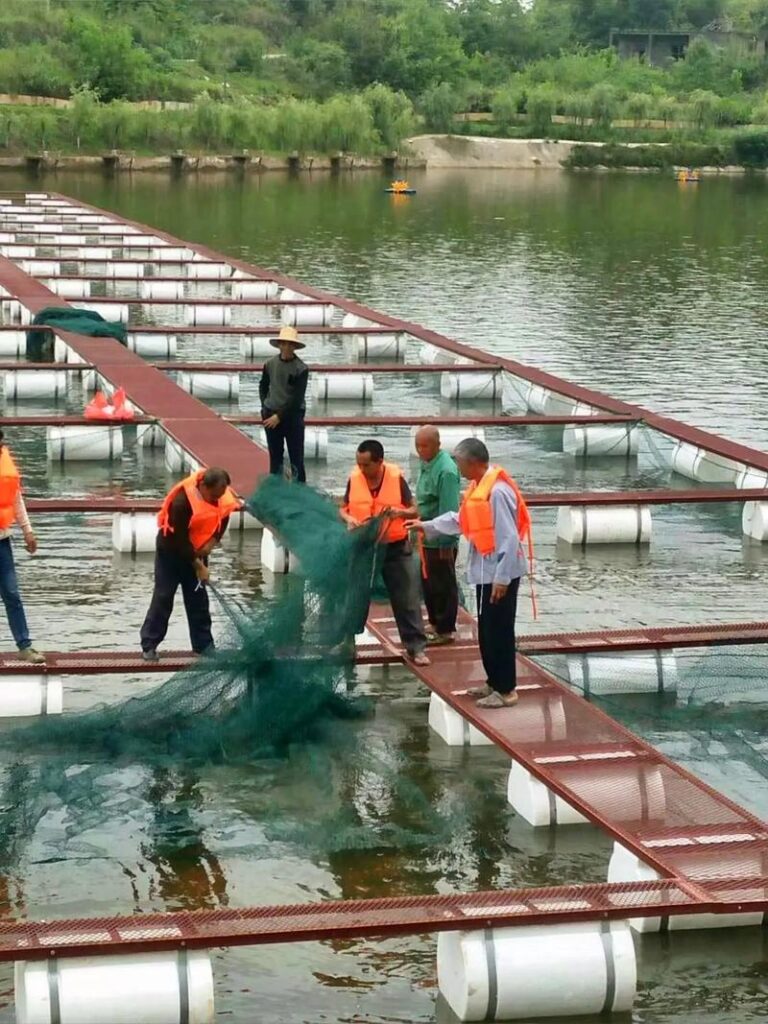
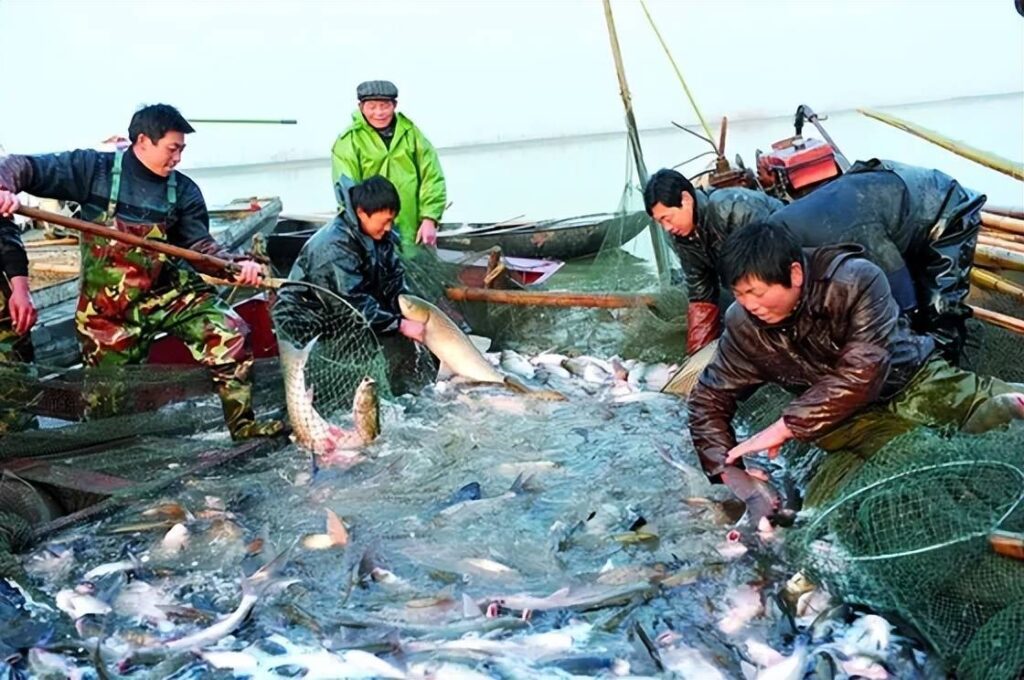
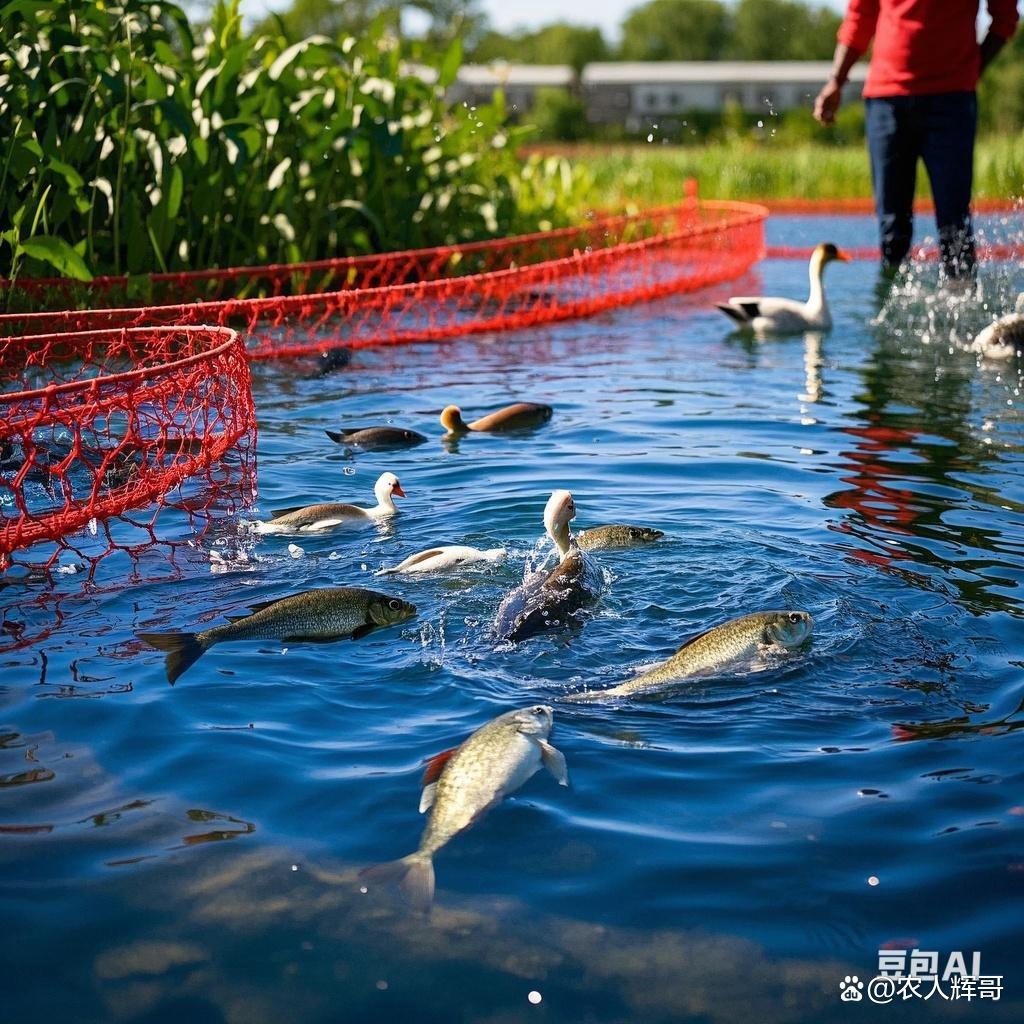
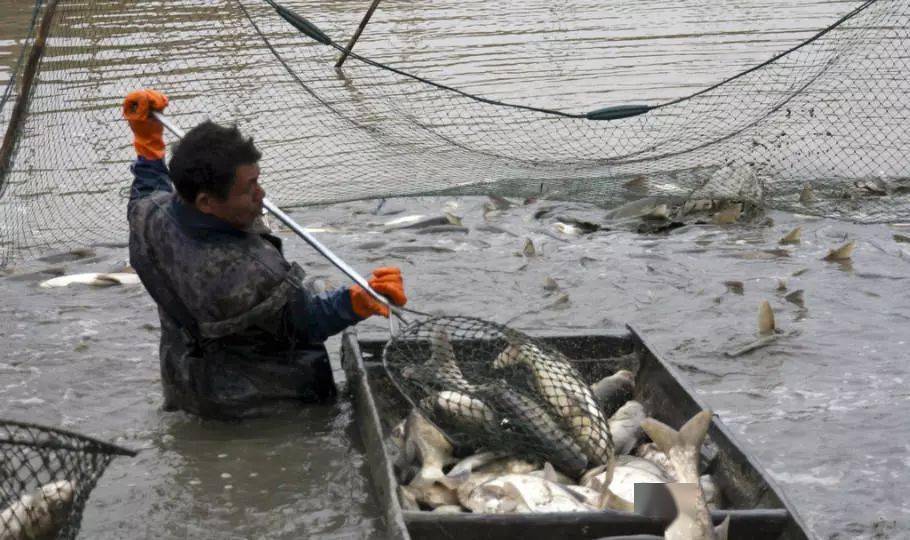
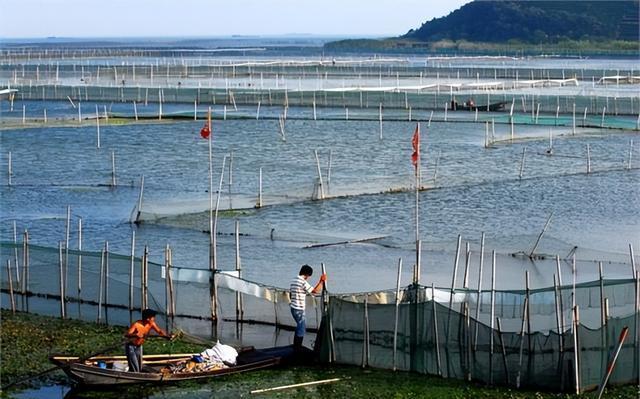
Using lake water for fish farming is the most efficient form of utilization and complementarity. Compared with pond aquaculture, it offers better water quality and produces higher-quality fish, while also helping to purify the lake and maintain a stable fish supply without disrupting natural breeding cycles or causing shortages. It also supports the development of lotus roots and lotus flowers in shallow-water areas—both as scenic attractions and food—and further benefits fish reproduction.
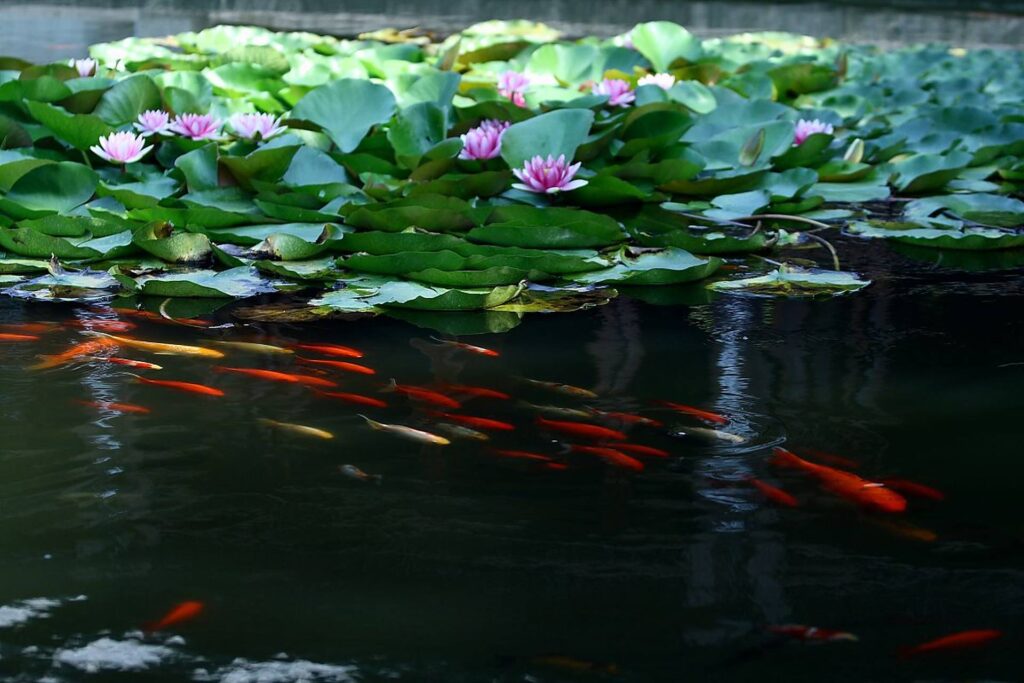
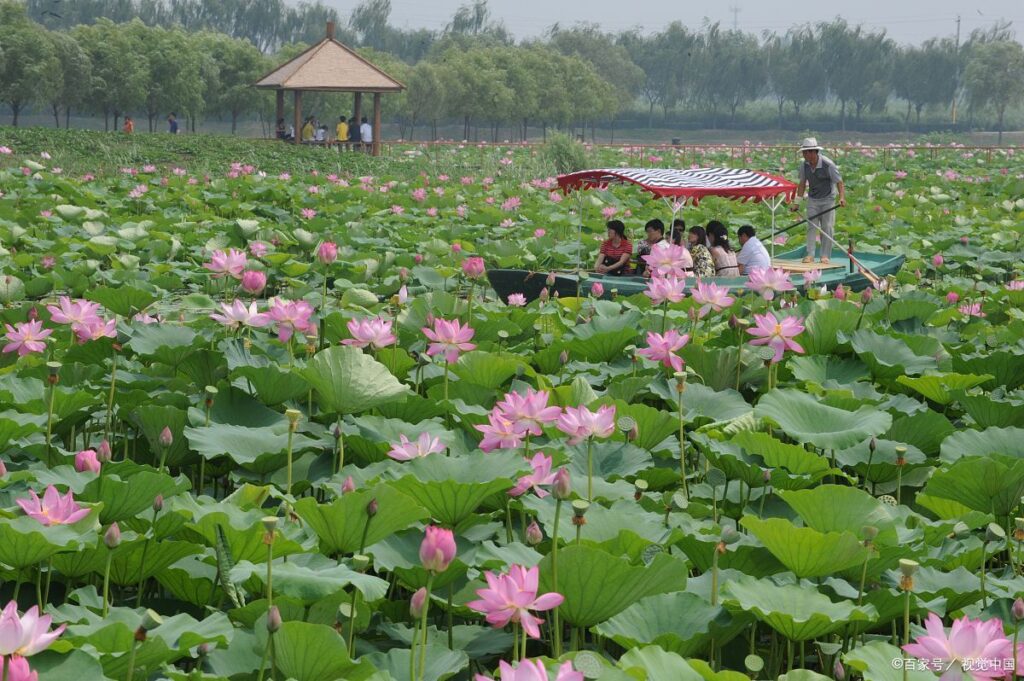
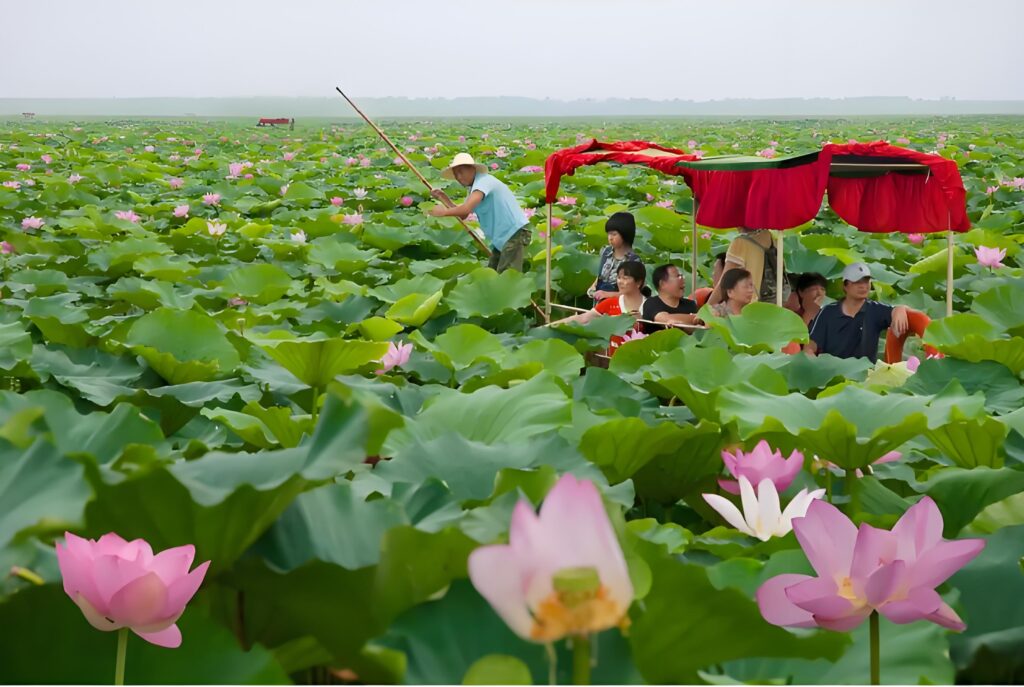
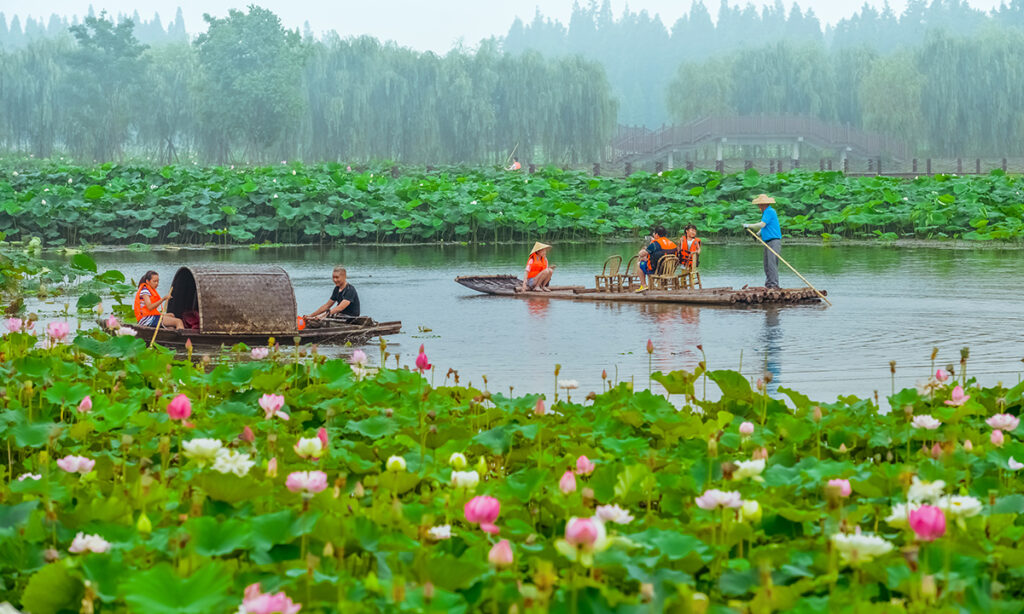
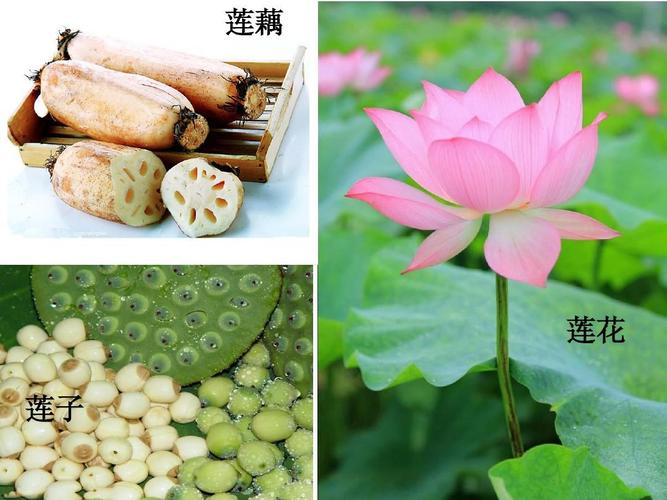
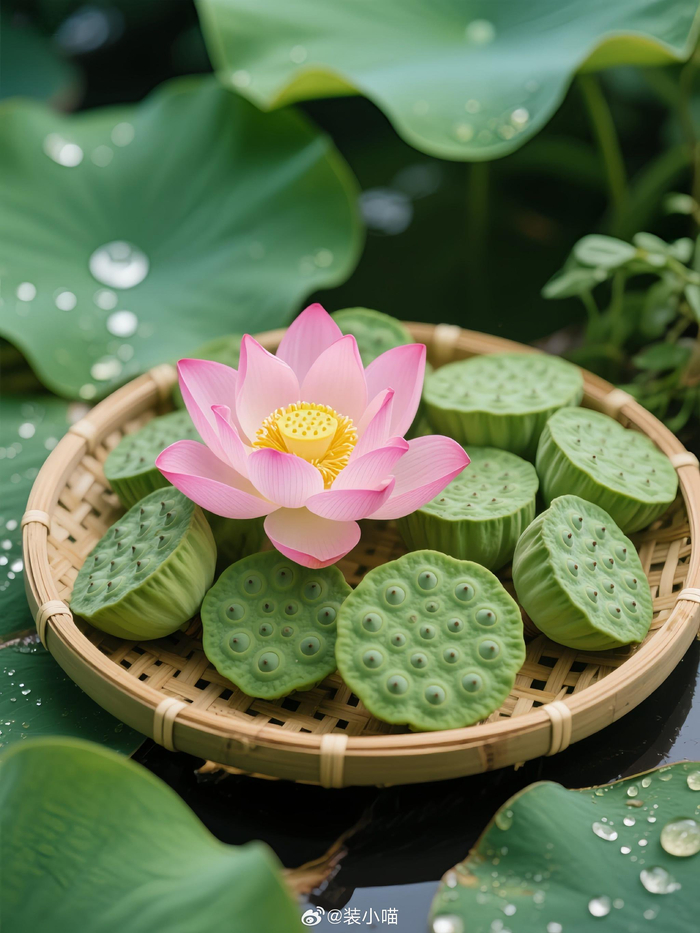
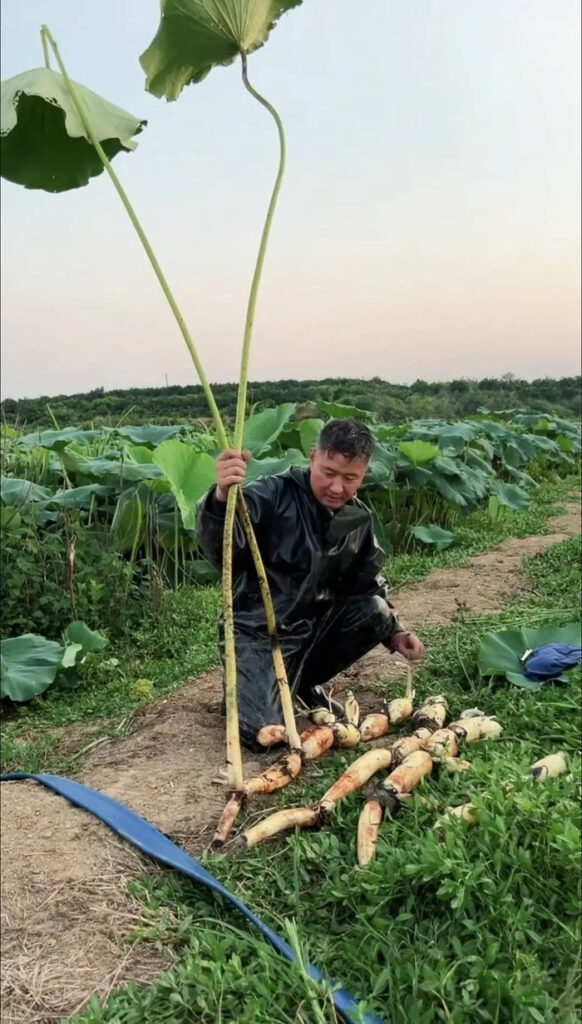
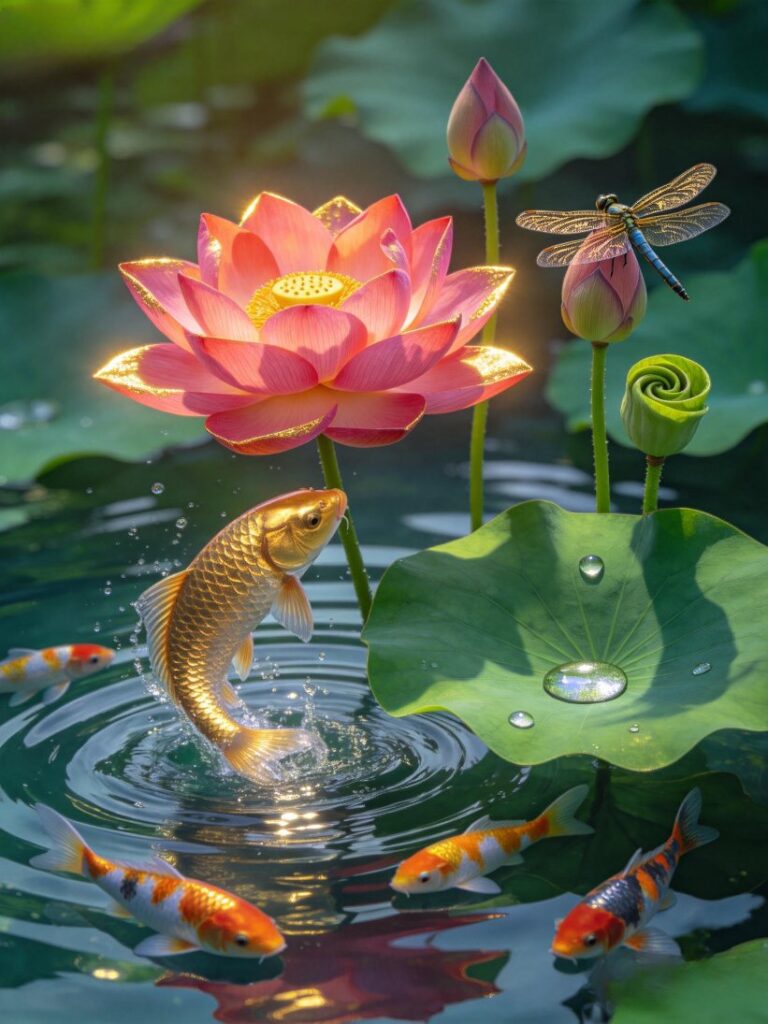
Lotus flowers are not only among the most beautiful blooms in the water, but the lotus seeds within their petals are also highly nutritious. The lotus roots anchored in the muddy lakebed are a delicious delicacy, suitable for both raw and cooked consumption. Even the lotus leaves have various functional uses. Moreover, they help purify water, attract fish, and are well suited to grow in temperate regions such as Lake Erie.


